

Americus Landscape Services
Sign up now for autumn service and enjoy a vibrant, worry-free yard all season long!
Get a Free QuoteLandscape Services Tailored for Americus, Georgia
Expert Lawn Care for Americus Homes
Americus, Georgia’s unique blend of humid summers, occasional droughts, and mature tree canopies in neighborhoods like Lee Street and Rees Park create distinct challenges for residential landscapes. Homeowners often contend with shaded lawns that require specialized grass varieties, as well as soil erosion on the rolling terrain near Lake Philema and the Sumter County countryside. Seasonal weather patterns, including heavy spring rains and the rare but impactful winter road treatments, can affect soil health and plant resilience. For more information about local parks and community resources, visit the City of Americus official website.
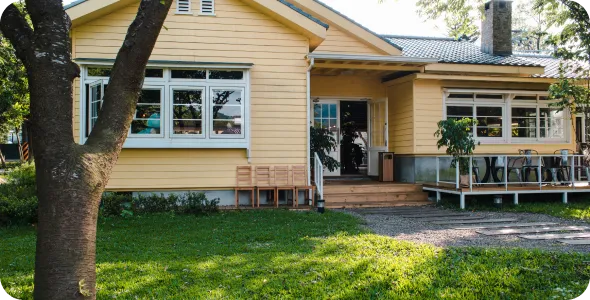
Our Americus Landscaping & Yard Care Services
Americus Gardening Services
Americus Yard Clean Up
Why Choose Americus Landscape Services

Americus Homeowners Trust Us
-
Expert Lawn Maintenance
-
Reliable Scheduling
-
Competitive Pricing
-
Professional Team
-
Satisfaction Guarantee
-
Personalized Service
Contact Your Local Americus Public Works or Solid Waste Department for Green Waste Info
Americus, located in Sumter County on the upper Coastal Plain of South Georgia, requires residents and lawn care providers to follow specific green waste disposal protocols. The City of Americus Public Works Department manages yard waste collection on a regular weekly schedule; grass clippings, leaves, hedge trimmings, and small branches should be placed curbside in biodegradable bags or open containers—plastic bags are generally prohibited for yard debris. Limbs must be cut to manageable lengths and bundled or stacked neatly at the curb. Storm debris collection is coordinated separately following severe weather events. Commercial landscapers should confirm disposal requirements directly, as separate fees or approved facility use may apply. Blowing or dumping clippings, leaves, sediment, or fertilizer granules into streets, gutters, storm drains, ditches, or streams is strictly prohibited under the Clean Water Act and local stormwater ordinances to protect Muckalee Creek and the broader Flint River watershed.
Americus Public Works Department
101 Lamar Street, Americus, GA 31709
Phone: (229) 924-4411
Official Website: Americus Public Works Department
Lawn Care Regulations & Permits in Americus, GA
All commercial pesticide applicators working in Americus must hold valid Georgia Department of Agriculture licensing under the Georgia Pesticide Use and Application Act of 1976 and the Georgia Pesticide Control Act of 1976. Credentials can be verified through Georgia Department of Agriculture - Search for Pesticide Applicators. Fertilizer products sold and used in Georgia are regulated under the Georgia Fertilizer Act of 1997, though local stormwater programs may further influence application timing and runoff prevention near waterways. Outdoor watering in Americus follows statewide Georgia Water Conservation rules, including odd/even watering schedules and restrictions to early morning or evening hours. Drought response stages may impose additional limits. Commercial lawn care operators must obtain an occupation tax certificate from the City of Americus, carry liability insurance, and comply with local noise ordinances restricting powered equipment use during early morning and late evening hours in residential areas.
Georgia Department of Agriculture
19 Martin Luther King Jr. Drive SW, Atlanta, GA 30334
Phone: (404) 656-3600
Official Website: Georgia Department of Agriculture
What Neighborhoods Do We Serve in Americus, GA?
Americus features a diverse mix of historic neighborhoods, established residential areas, and newer subdivisions, each presenting distinct lawn care challenges shaped by the sandy to sandy-loam Coastal Plain soils of Sumter County.
- Historic Downtown and Rees Park Area — Mature hardwood canopy creates shade stress on centipedegrass and bermudagrass lawns; older lots may have compacted soils from decades of use, and historic district standards influence landscape aesthetics.
- Lee Street and McGarrah Street Corridor — Established residential properties with mixed sun and partial shade; sandy-loam soils drain quickly, requiring attention to nutrient retention and drought management during summer dry spells.
- Windsor Park and Habitat Subdivisions — Newer development areas with bermudagrass-dominant lawns in full sun; builder-grade fill soils may need organic amendment and aeration to improve moisture-holding capacity.
- South Lee Street and Hospital District — Institutional and residential mix near Phoebe Putney Memorial Hospital; high-traffic turf areas require wear-tolerant bermudagrass and consistent irrigation scheduling.
- Felder Street and West Americus — Older residential lots with pine canopy and centipedegrass; pine straw accumulation affects soil pH, and sandy soils are prone to nutrient leaching after heavy summer rains.
- Georgia Southwestern State University Vicinity — Campus-adjacent neighborhoods with a mix of rental and owner-occupied properties; turf management must account for foot traffic, shade from mature trees, and proximity to campus stormwater infrastructure.
- Brookdale and Northside Americus — Suburban-style lots with open sun exposure ideal for bermudagrass and bahiagrass; flat terrain and sandy soils can create low-spot saturation after heavy rainfall events.
Soil data from the USDA Web Soil Survey confirms that Sumter County soils are predominantly sandy loam with rapid drainage and lower organic matter, making fertility management and moisture retention central to every service plan.
Partnering With Americus's Stormwater, Environmental, or Sustainability Office
Americus's stormwater management efforts protect Muckalee Creek, its tributaries, and the broader Flint River basin. Lawn care providers must align with Georgia EPD - Municipal Stormwater requirements and Georgia EPD - Stormwater best practices. The Georgia Soil and Water Conservation Commission - Urban Erosion & Sediment Control provides additional guidance for land-disturbing activities. Sustainable landscaping practices that support stormwater quality include:
- Proper mulching around beds and trees to reduce runoff and retain soil moisture
- Grasscycling to return nutrients to sandy soils and reduce waste
- Compost topdressing to improve organic matter in nutrient-poor Coastal Plain soils
- Rain garden installation in low-lying areas to capture and filter runoff
- Native and adapted plant integration to reduce irrigation demand
- Avoiding fertilizer or chemical application before forecasted rain events
Georgia Environmental Protection Division
2 Martin Luther King Jr. Drive SE, Suite 1456 East, Atlanta, GA 30334
Phone: (404) 656-4713
Official Website: Georgia Environmental Protection Division
Georgia Soil and Water Conservation Commission
4310 Lexington Road, Athens, GA 30605
Phone: (706) 552-4470
Official Website: Georgia Soil and Water Conservation Commission
Top Americus Lawn Problems (and How We Solve Them)
South Georgia's sandy Coastal Plain soils, long hot summers, and intense pest pressure create specific challenges for Americus lawns. The most common problems and science-based solutions, guided by UGA Turfgrass and UGA Lawn Care & Landscaping research, include:
- Drought stress between rain events — Sandy soils lose moisture rapidly; deep, infrequent irrigation in early morning hours and compost topdressing improve water-holding capacity.
- Nutrient leaching — Nitrogen and potassium wash through sandy profiles quickly; split fertilizer applications in smaller doses during the growing season reduce waste and protect groundwater.
- Mole crickets — A major warm-season turf pest in South Georgia sandy soils; monitoring with soapy-water flushes and properly timed insecticide applications in late spring target vulnerable nymphs.
- Large patch disease — Affects centipedegrass and zoysiagrass in fall and spring during cool, wet conditions; avoid late-season nitrogen, improve drainage, and apply preventive fungicides when soil temperatures drop below 70°F.
- Armyworm infestations — Fall armyworms can devastate bermudagrass lawns in late summer; regular scouting and prompt treatment following UGA integrated pest management guidelines prevent widespread damage.
- Nematode pressure — Sandy soils harbor plant-parasitic nematodes that thin turf and reduce root health; soil sampling through the UGA Nematode Lab, selecting tolerant cultivars, and maintaining turf vigor are primary management strategies.
- Weed pressure after summer rain — Crabgrass, goosegrass, and tropical signalgrass thrive in warm, moist sandy soils; properly timed pre-emergent herbicides and maintaining dense, healthy turf are the best defenses.
UGA Cooperative Extension — Sumter County
122 North Lee Street, Americus, GA 31709
Phone: (229) 924-4476
Official Website: UGA Cooperative Extension — Sumter County
What Makes Lawns in Americus Different From the Rest of Georgia?
Americus sits firmly in the South Georgia Coastal Plain, and its lawn care reality differs significantly from Piedmont, mountain, and coastal communities across the state:
- USDA Hardiness Zone 8b — A long growing season stretching from late March through mid-November supports warm-season grasses but intensifies pest and disease cycles.
- Sandy to sandy-loam soils — Unlike the red clay of Metro Atlanta or the rocky soils of North Georgia, Sumter County's Coastal Plain soils drain rapidly, leach nutrients, and require organic matter improvement rather than compaction relief.
- Dominant turf species — Centipedegrass, bermudagrass, and bahiagrass dominate; St. Augustinegrass appears in irrigated ornamental settings, and zoysiagrass in higher-input landscapes. Tall fescue is not viable here due to extreme summer heat.
- Intense summer heat and humidity — Temperatures regularly exceed 95°F from June through August, driving drought stress and fungal disease pressure far beyond what North Georgia lawns experience.
- Nematode and mole cricket pressure — Sandy soils create ideal habitat for these pests, which are far less problematic in clay-heavy Piedmont regions.
- Flint River watershed sensitivity — Nutrient runoff and groundwater protection are critical concerns, distinguishing Americus from coastal marsh-edge communities where salt and tidal flooding dominate.
- Pine straw and hardwood litter — Mature pine canopy across many neighborhoods acidifies soil surfaces and creates shade challenges unique to established South Georgia properties.
Supporting Local Events in Americus With Lawn Expertise
Professional lawn care supports Americus's community life through preparation and maintenance of public green spaces. Key areas of involvement include:
- Turf preparation and recovery for athletic fields at Americus-Sumter County High School and local recreation complexes
- Lawn readiness for downtown festivals, including events at Rylander Theatre and the Americus Garden Inn historic district
- Park maintenance support at Rees Park, Habitat for Humanity's Fuller Center grounds, and neighborhood pocket parks
- School campus green space care for Georgia Southwestern State University and Sumter County school facilities
- Post-storm cleanup coordination following severe thunderstorms, including fallen limb removal, turf repair, and debris management
- Support for community cleanups along Muckalee Creek corridors and neighborhood beautification projects
Americus Parks & Recreation Department
101 Lamar Street, Americus, GA 31709
Phone: (229) 924-4411
Official Website: Americus Parks & Recreation Department
Eco-Friendly Landscaping Backed by Americus's Water-Saving and Green Initiatives
Americus lawn care providers should align with regional water conservation and environmental stewardship goals. Smart water management practices include:
- Installing smart irrigation controllers that adjust to rainfall and soil moisture levels
- Watering only during permitted hours per Georgia Water Conservation guidelines
- Selecting drought-tolerant turf cultivars such as TifTuf bermudagrass and common bahiagrass for lower-input areas
- Reducing irrigated turf in low-use zones and replacing with native groundcovers or mulched beds
- Improving sandy soil moisture retention through compost incorporation
Reduced-chemical and lower-emission strategies include:
- Compost topdressing to build soil biology and reduce synthetic fertilizer dependence
- Integrated pest management using UGA Invasive Species guidance and targeted treatments
- Pollinator-friendly bed plantings with native wildflowers and adapted shrubs
- Battery-powered mowers, trimmers, and blowers to reduce emissions and noise
- Route efficiency planning to minimize fuel use and vehicle idling
- Grasscycling and local mulch reuse to close the organic waste loop
National Weather Service — Peachtree City Office
4 Falcon Drive, Peachtree City, GA 30269
Phone: (770) 486-1133
Official Website: National Weather Service Offices
U.S. Environmental Protection Agency, Region 4
61 Forsyth Street SW, Atlanta, GA 30303
Phone: (404) 562-9900
Official Website: U.S. EPA Region 4
Proudly Serving These Streets and Areas in Americus
Our service coverage spans the full Americus community, organized by area:
Downtown and Central Americus:
- Lamar Street, Forsyth Street, Jackson Street, Church Street, College Street, Cotton Avenue, Prince Street, and Taylor Street
- Rees Park vicinity and Rylander Theatre district
North Americus:
- North Lee Street, Brookdale Drive, Adderton Street, Harrold Avenue, and Tripp Street
- Georgia Southwestern State University campus area and surrounding residential streets
South Americus:
- South Lee Street, Felder Street, Dudley Street, and Martin Luther King Jr. Boulevard
- Phoebe Putney Memorial Hospital district and adjacent residential areas
East Americus:
- East Forsyth Street, East Church Street, Habitat Street, and Windsor Drive
- Windsor Park subdivision and Habitat for Humanity Global Village area
West Americus:
- West Lamar Street, McGarrah Street, Barlow Street, and Mayo Street
- Established residential neighborhoods with mature pine and hardwood canopy
Notable Landmarks and Green Spaces:
- Rees Park, Americus-Sumter County High School athletic complex, Georgia Southwestern State University grounds, Muckalee Creek corridor, Souther Field area, and the Andersonville National Historic Site vicinity
Properties near Muckalee Creek, stormwater detention areas, or within historic districts may require additional attention to stream-buffer compliance, runoff prevention, and landscape preservation standards.